Most e-bike shopping advice tells you to check the manufacturer’s size chart. For short riders, that’s not enough. Size charts are designed around average proportions — and if you’re 5’0″ to 5’5″, your proportions often don’t match the assumptions. A bike that claims to fit “5’1″ and up” might leave you with a stretched-out reach, a saddle that won’t go low enough, or a top tube that’s uncomfortably close to your inseam.
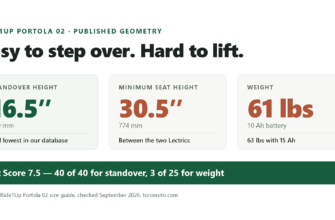
Checking a specific bike? Our e-bike standover height database lists every published standover figure we can source from manufacturer specs, sorted lowest first — plus the popular models that publish no figure at all.
This guide explains the three measurements that actually determine whether an e-bike fits a short rider — and how to evaluate them before you buy.
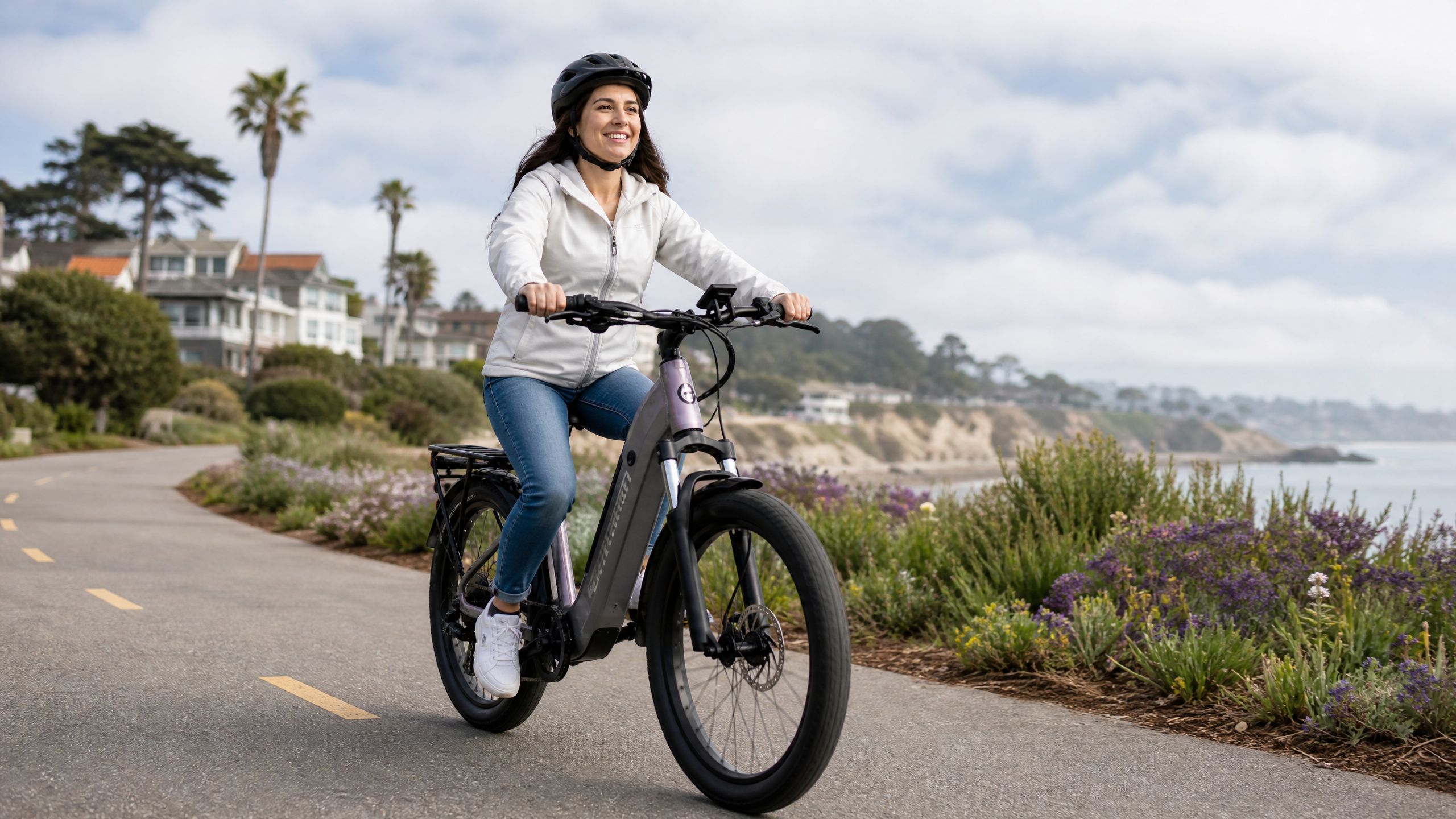
Standover Height: Can You Stand Over the Frame?
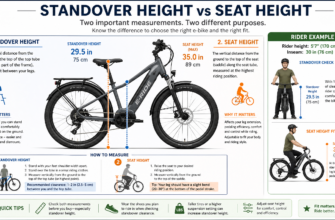
Standover height is the distance from the ground to the top of the frame’s top tube, measured at the point where you’d straddle the bike. This is your most basic safety check: when you stop and put both feet flat on the ground, you need clearance between the top tube and your body. A minimum of 1 inch of clearance is recommended. 2 inches is more comfortable.
For a 5’2″ rider with a 28″ inseam, that means a maximum standover height of about 26″-27″. For 5’0″ with a 27″ inseam, aim for 25″ or lower.
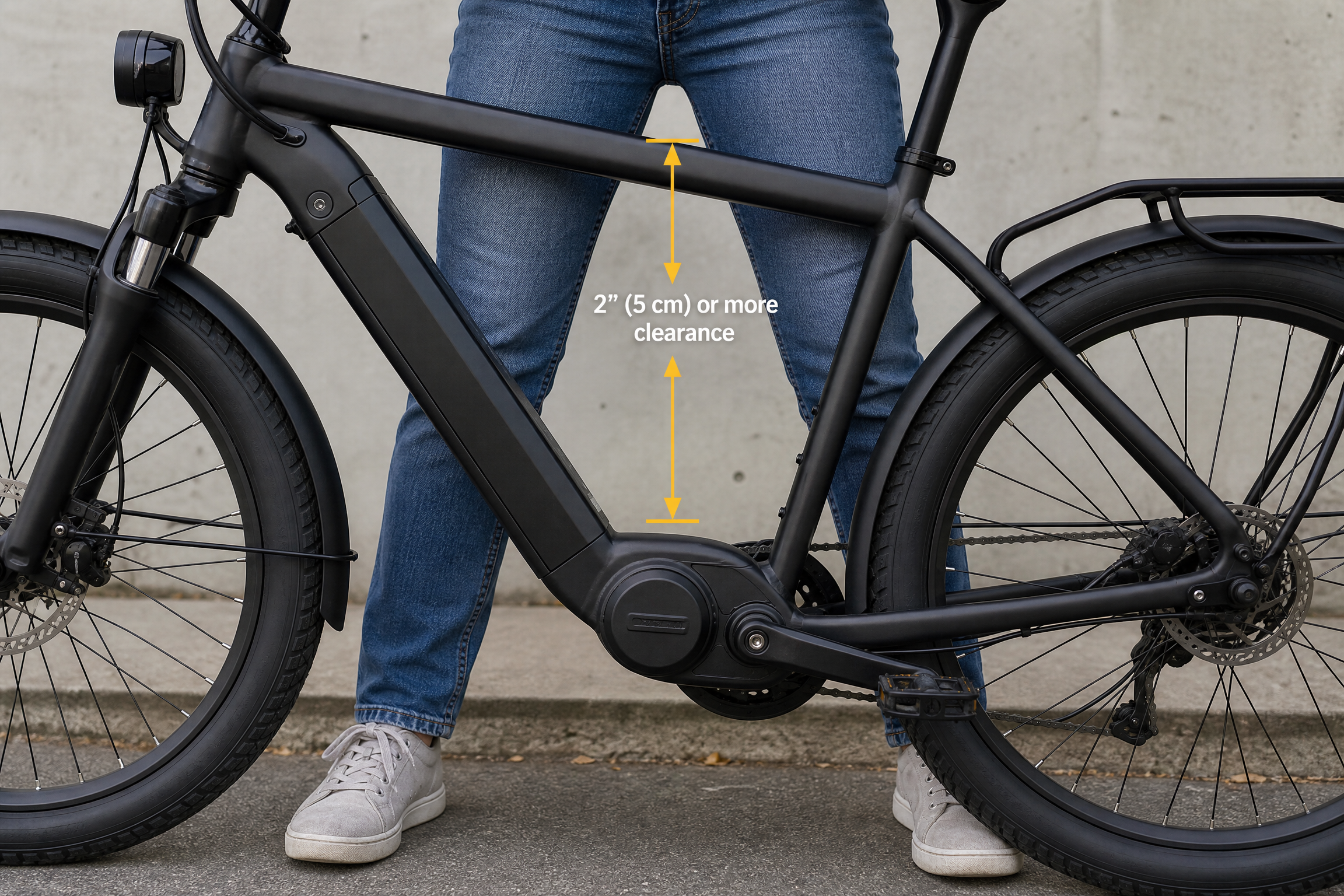
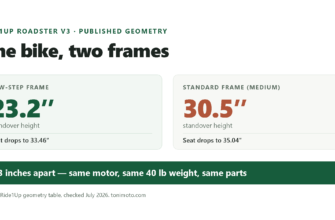
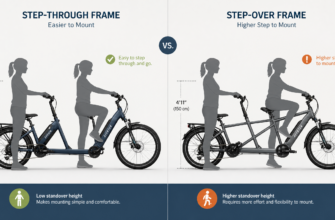
The step-through shortcut: Step-through frames have a dramatically low or absent top tube, making standover height almost irrelevant. If you’re worried about standover clearance, a step-through frame solves the problem entirely. This is why we recommend step-through frames for most short riders. Step-through vs step-over comparison —>
Minimum Seat Height: Can Your Feet Reach the Ground?
This is the measurement most people overlook — and it’s arguably more important than standover height for daily riding comfort. Minimum seat height is how low the saddle can go, measured from the ground to the top of the saddle at its lowest position.
When seated, you should be able to touch the ground with the balls of your feet (not just your toes). For efficient pedaling, your leg should have a slight bend at the bottom of the pedal stroke. These two requirements often conflict for short riders: the ideal pedaling height may be too high for comfortable ground contact.
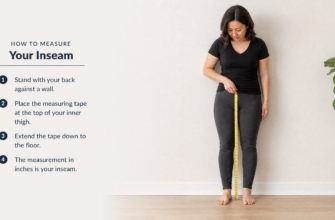
As a rough guide: your minimum seat height (from ground to saddle top) should be approximately equal to your inseam measurement. If a bike’s minimum seat height is 30″ and your inseam is 28″, you’ll likely be on your toes at stops. This is uncomfortable, and potentially dangerous in traffic.
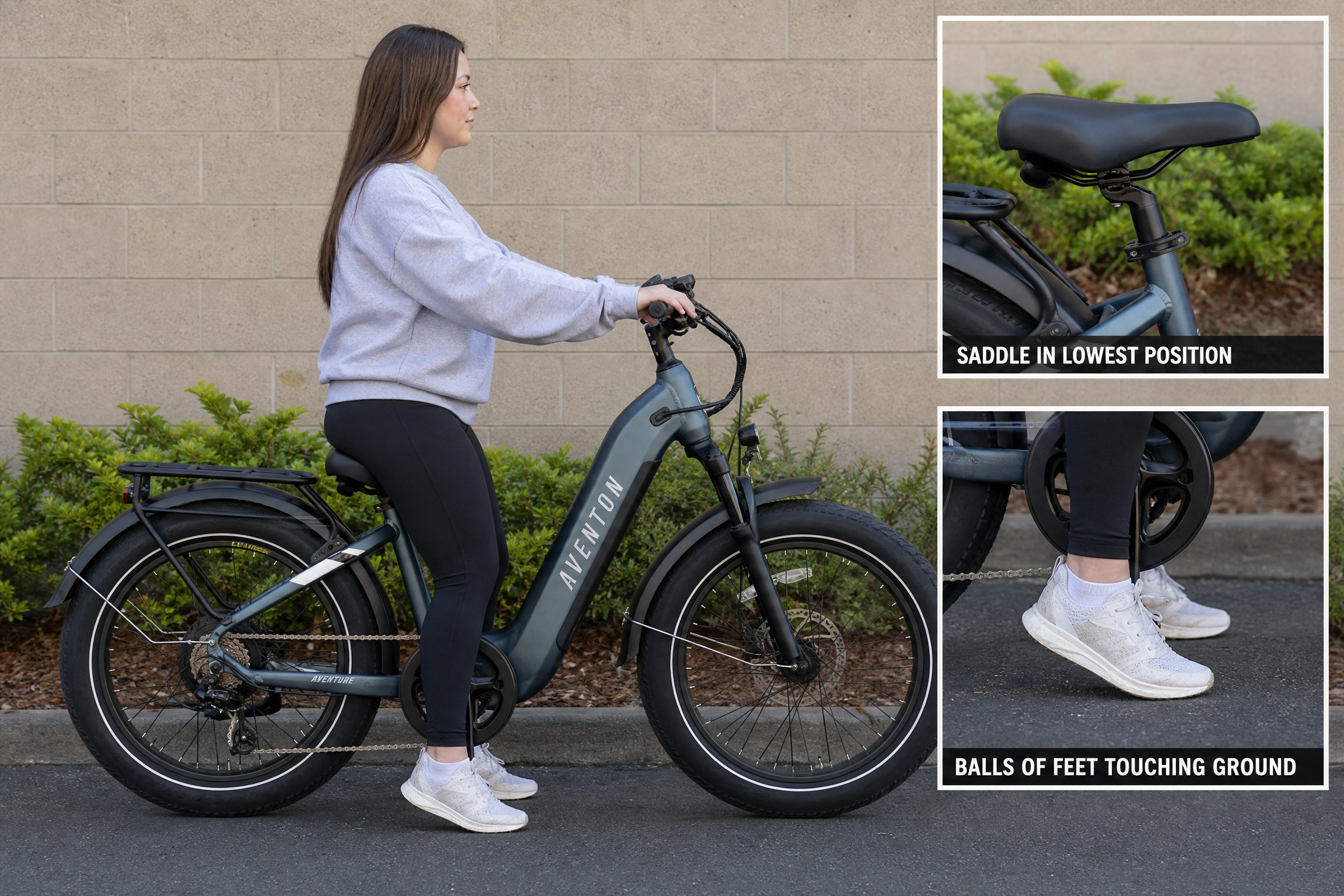
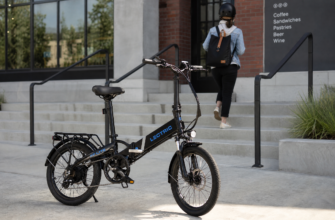
Why smaller wheels help: Bikes with 20″ wheels naturally have a lower saddle position than bikes with 26″ or 27.5″ wheels. This is one reason folding e-bikes (which typically use 20″ wheels) are popular with very short riders. Best folding e-bikes for short commuters —>
Reach: Can You Comfortably Hold the Handlebars?
Reach is the horizontal distance from the saddle to the handlebars. Too much reach forces you to lean forward and stretch your arms, causing shoulder strain, neck pain, and reduced control over the bike. Short riders — especially those with shorter arms and torsos — are disproportionately affected by long reach.
Unfortunately, reach is rarely listed in e-bike specifications. You often have to calculate it from the frame geometry (effective top tube length + stem length) or simply test ride the bike. There are practical fixes if a bike’s reach is slightly too long: a shorter stem (moves the handlebars 1-2″ closer), swept-back handlebars, or rotating the handlebars slightly upward.
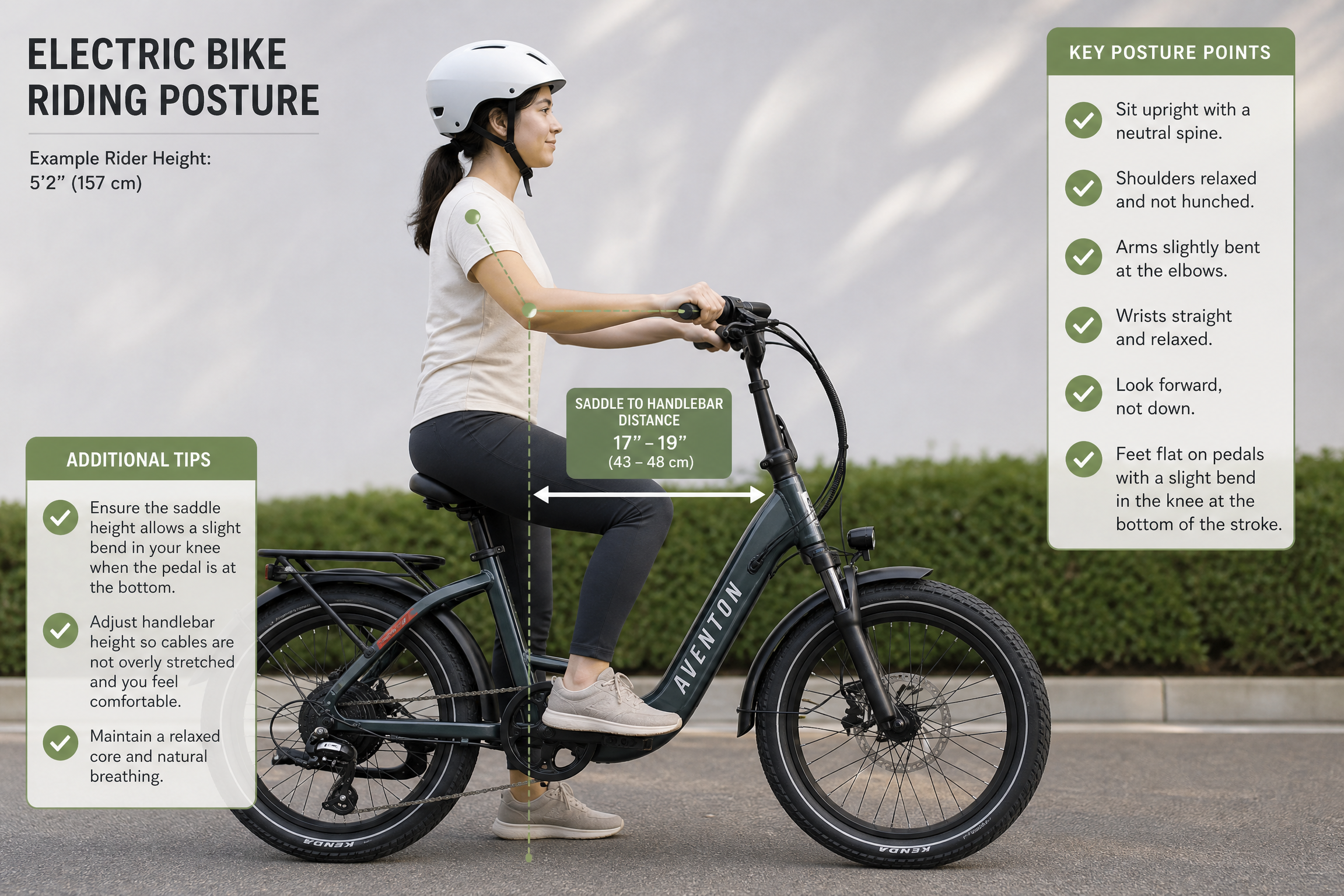
Bikes with swept-back or cruiser-style handlebars naturally have a shorter effective reach than bikes with straight or flat bars. If you’re under 5’3″ and a bike uses flat bars, plan on evaluating the reach carefully during a test ride. Full reach adjustment guide —>
The Real-World Test
Numbers help narrow the field, but a test ride is the ultimate fit check. Here’s what to evaluate in the first 60 seconds on a bike:
Flat-foot test: With the saddle at riding height, can you touch the ground with the balls of your feet when seated? If you’re on your toes, the saddle needs to go lower — or the bike doesn’t fit.
Standover test: Stand over the frame with both feet flat. Is there at least 1″ of clearance above the top tube? Step-through frames pass this test automatically.
Reach test: With both hands on the handlebars, are your arms slightly bent (not locked straight)? Are your shoulders relaxed (not hunched up)? If you’re stretching, the reach is too long.
Brake test: Can you wrap two fingers around each brake lever and squeeze to full stop without straining? If your fingers can barely reach the levers, check if they have adjustable reach screws. Small hands brake guide —>
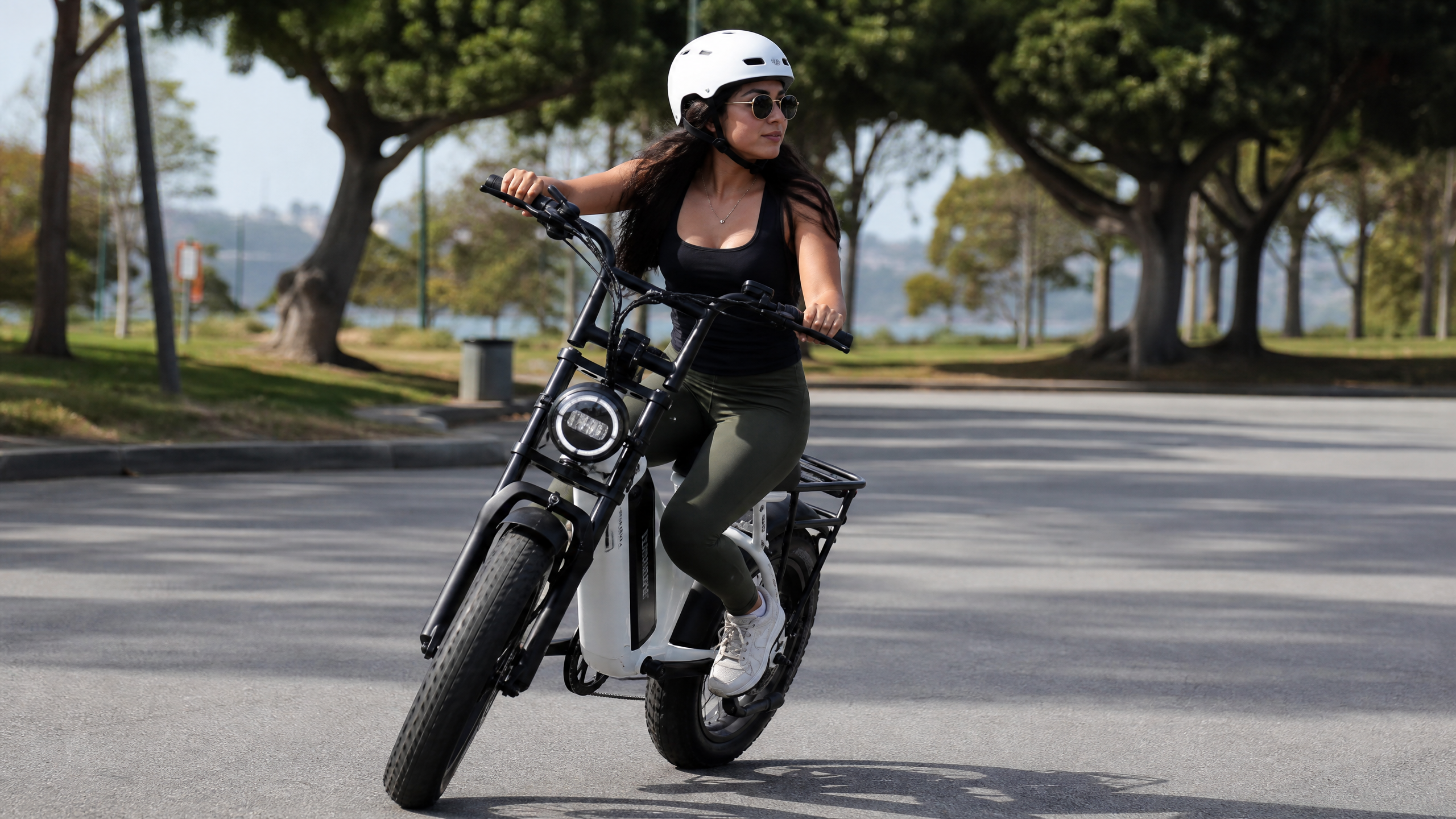
Before buying, measure yourself with our step-by-step guide: How to measure yourself for an e-bike —>
Ready to find a bike? See our fit-first picks: Best e-bikes for short riders (5’0″–5’5″) —>