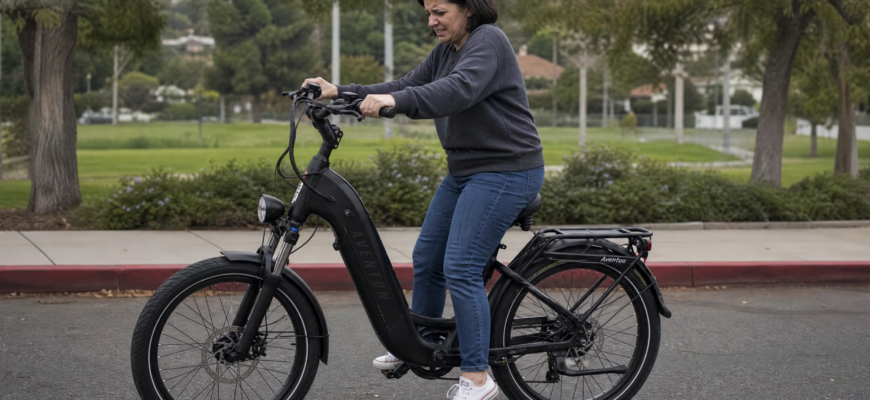
You checked the size chart. You picked “Small.” You meet the minimum height requirement. And yet, when you sat on the bike, something felt wrong. Too stretched out. Too tippy at stops. Too heavy to steer at low speed. Sound familiar?
You’re not imagining it. E-bike size charts are designed around average proportions — and “average” almost always means average male proportions. If you’re a short rider (especially under 5’4″), there are specific reasons a bike can fit on paper but fail in practice.
1. The Seat Won’t Go Low Enough
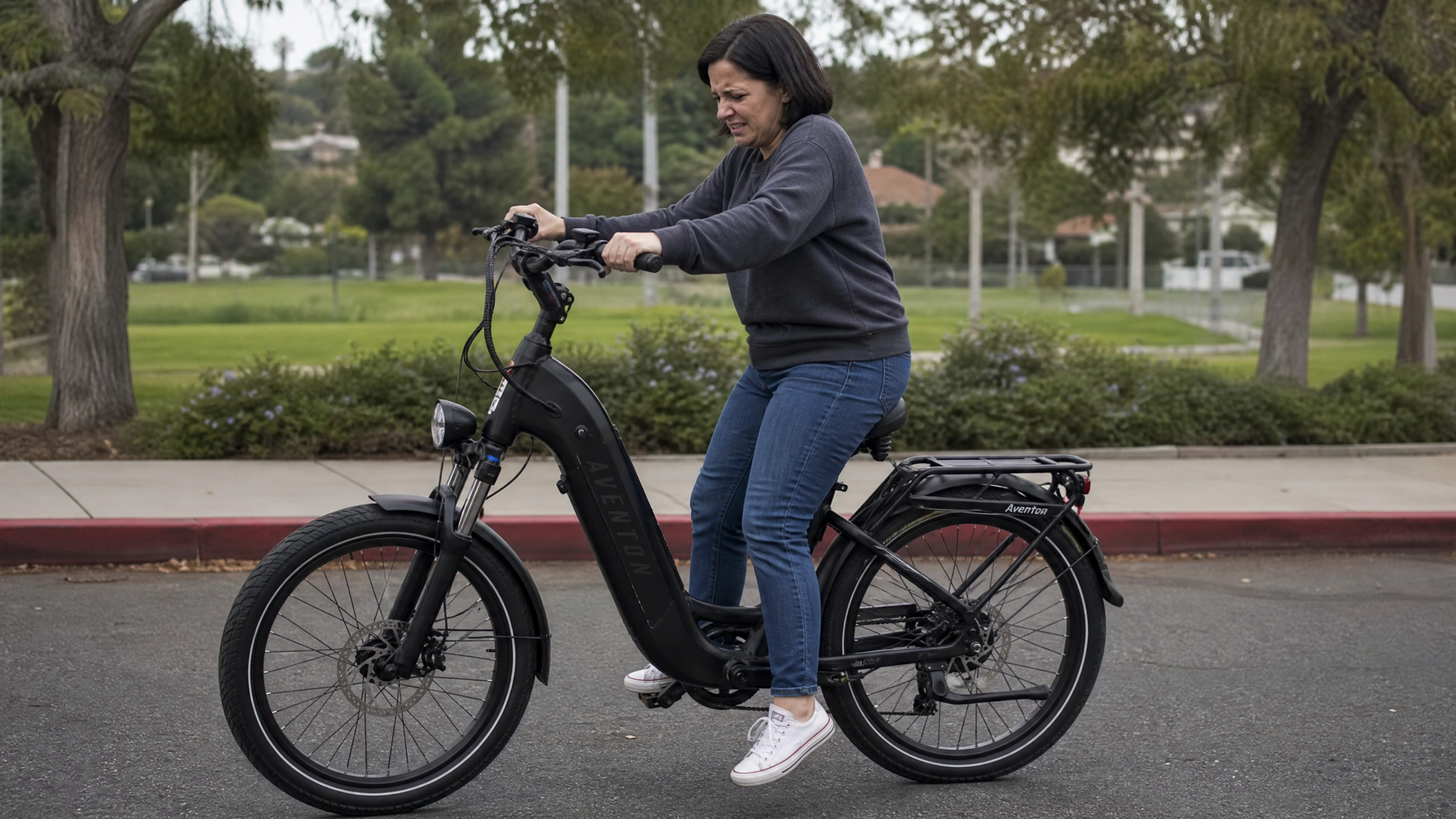
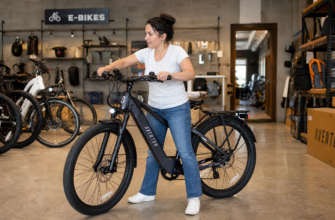
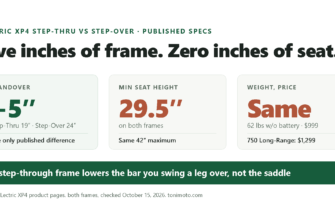
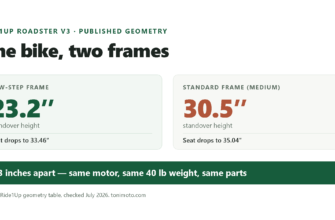
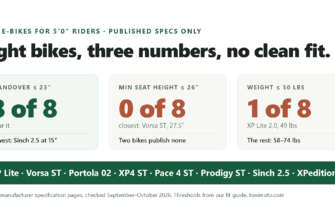
This is the most common problem. A bike’s size chart says it fits riders from 5’1″, but the minimum seat height assumes a 29″ inseam. If your inseam is 27″ (common at 5’1″), the saddle at its lowest position still leaves you on your toes at stoplights. Size charts almost never list minimum seat height — only the manufacturer’s claimed height range. How to check this →
2. The Reach Is Designed for Longer Torsos
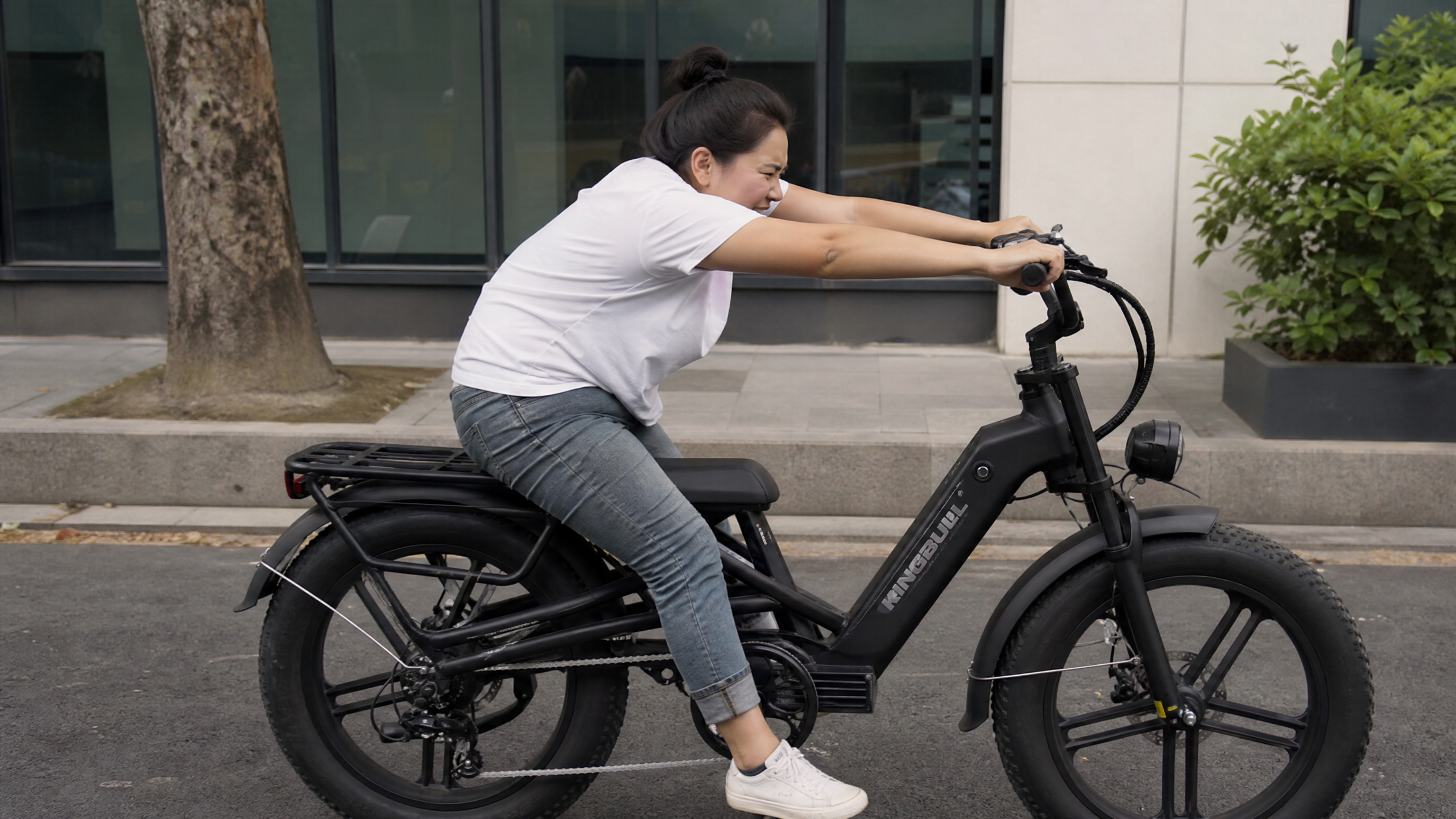
Even within the same height range, torso length varies significantly. A 5’3″ rider with a short torso and longer legs has a completely different reach requirement than a 5’3″ rider with a longer torso. Most e-bikes are designed for moderate-to-long torso proportions. If your reach feels stretched — arms fully extended, shoulders hunching forward — the effective top tube is too long for your body.
The fix: a shorter stem (1-2″ shorter than stock, $15-$30), swept-back handlebars, or choosing a bike designed with a shorter cockpit. Full reach guide →
3. The Weight Matters More Than You Think
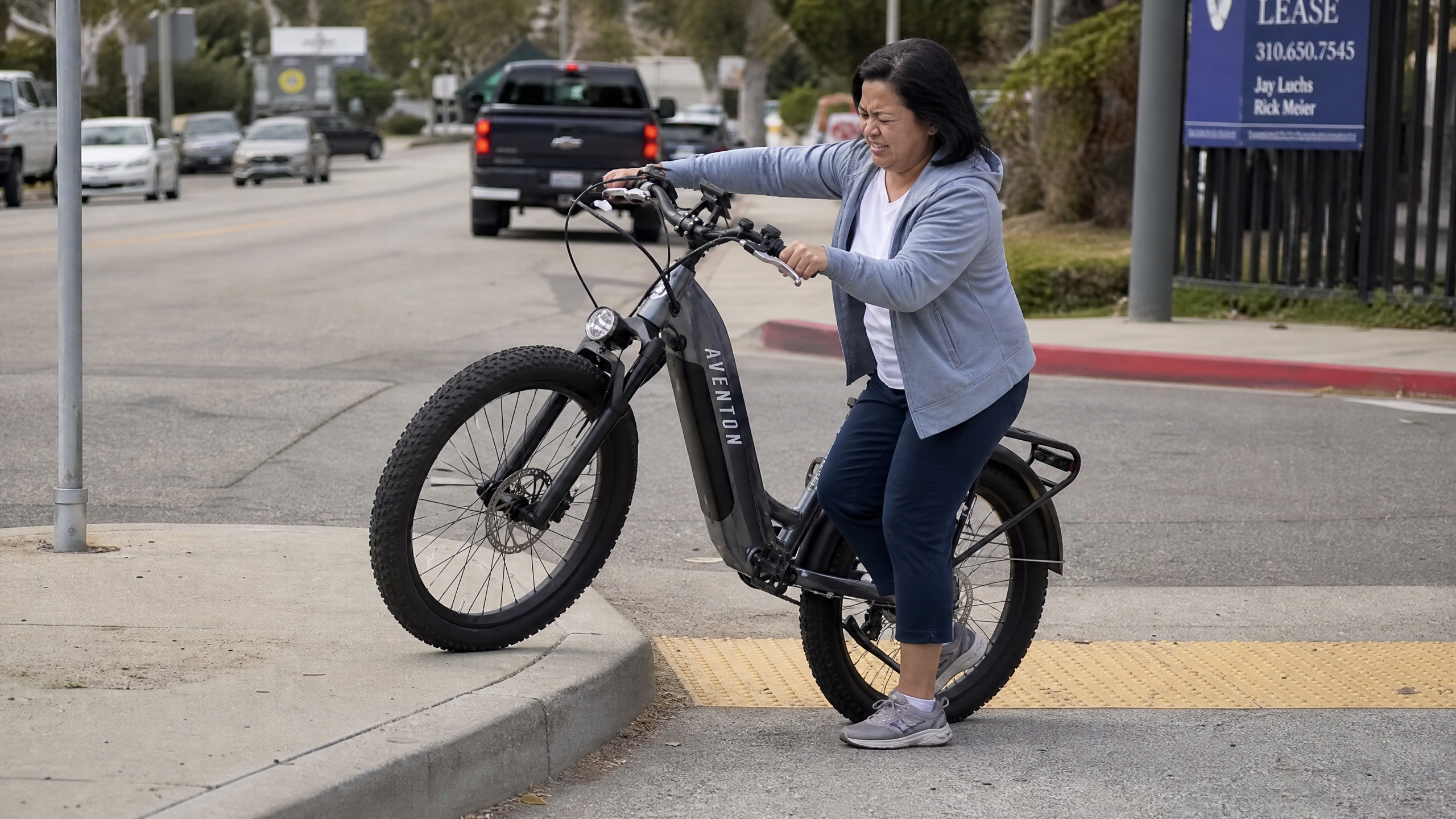
A 62-lb e-bike might ride fine on flat road with the motor running. But try maneuvering it at walking speed through a crowded bike parking area. Try lifting the front wheel over a curb. Try stopping on a slight downhill slope and holding it steady while you put a foot down. For a 120-lb rider, that 62-lb bike is over half their body weight. For a 180-lb rider, it’s about a third.
Weight affects low-speed handling, maneuverability, and confidence disproportionately for lighter, shorter riders. A bike that’s “fine” for a 5’10” rider can feel unwieldy for someone 8 inches shorter and 50 lbs lighter.
4. The Brake Levers Don’t Fit Your Hands
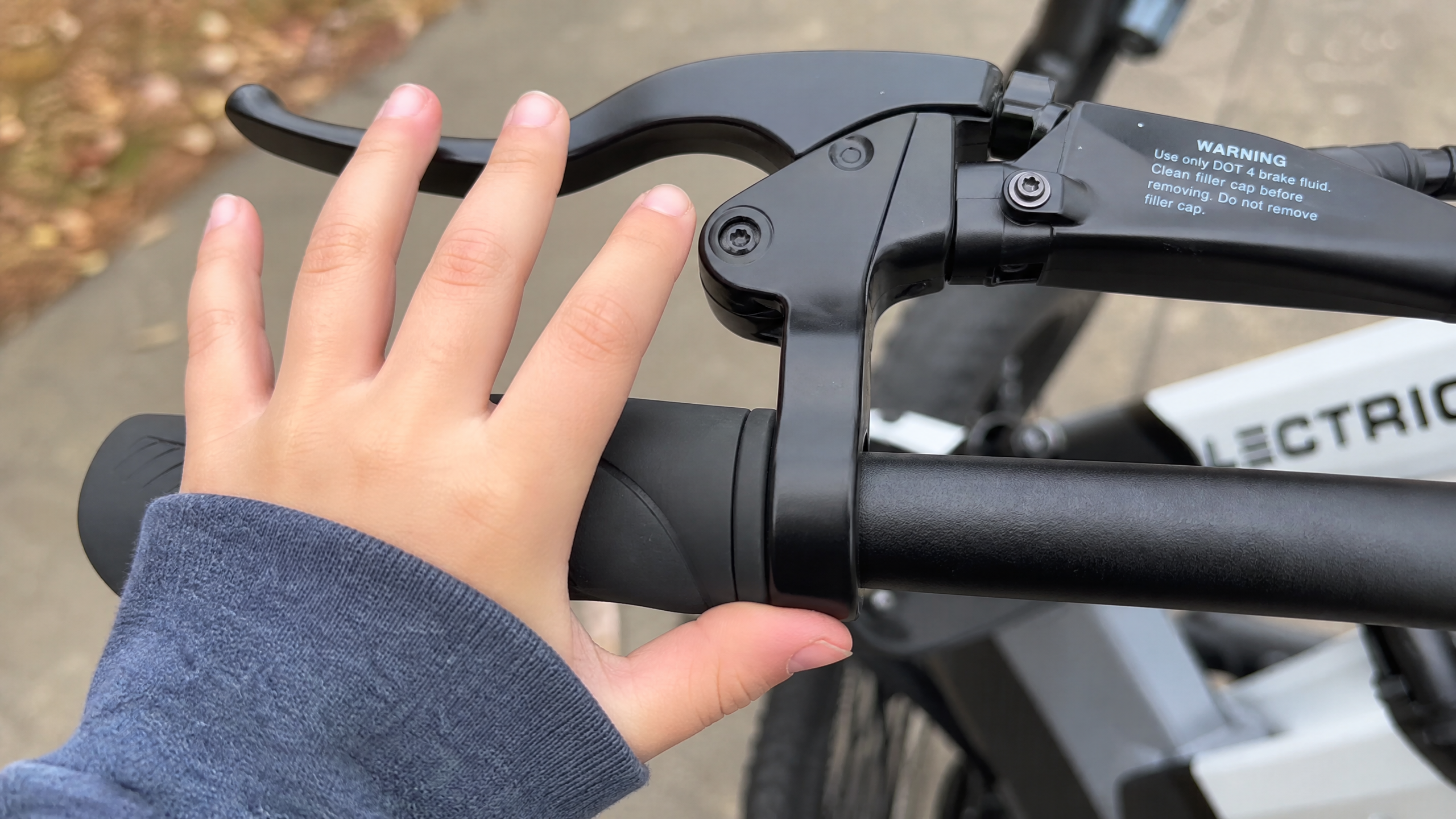
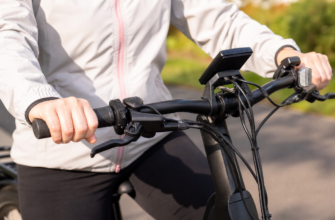
Most e-bike brake levers are designed for average adult male hands. If you have smaller hands, you may find yourself stretching to reach the lever — or only being able to use one finger instead of two. This isn’t just uncomfortable; it’s a safety issue. At 20-28 mph, you need confident braking.
Many hydraulic brake levers have a small set screw that adjusts the lever’s resting position closer to the handlebar. Check this before returning a bike. Mechanical brakes rarely have this adjustment. Brake lever setup for small hands →
5. Wheel Size Creates Invisible Height Differences
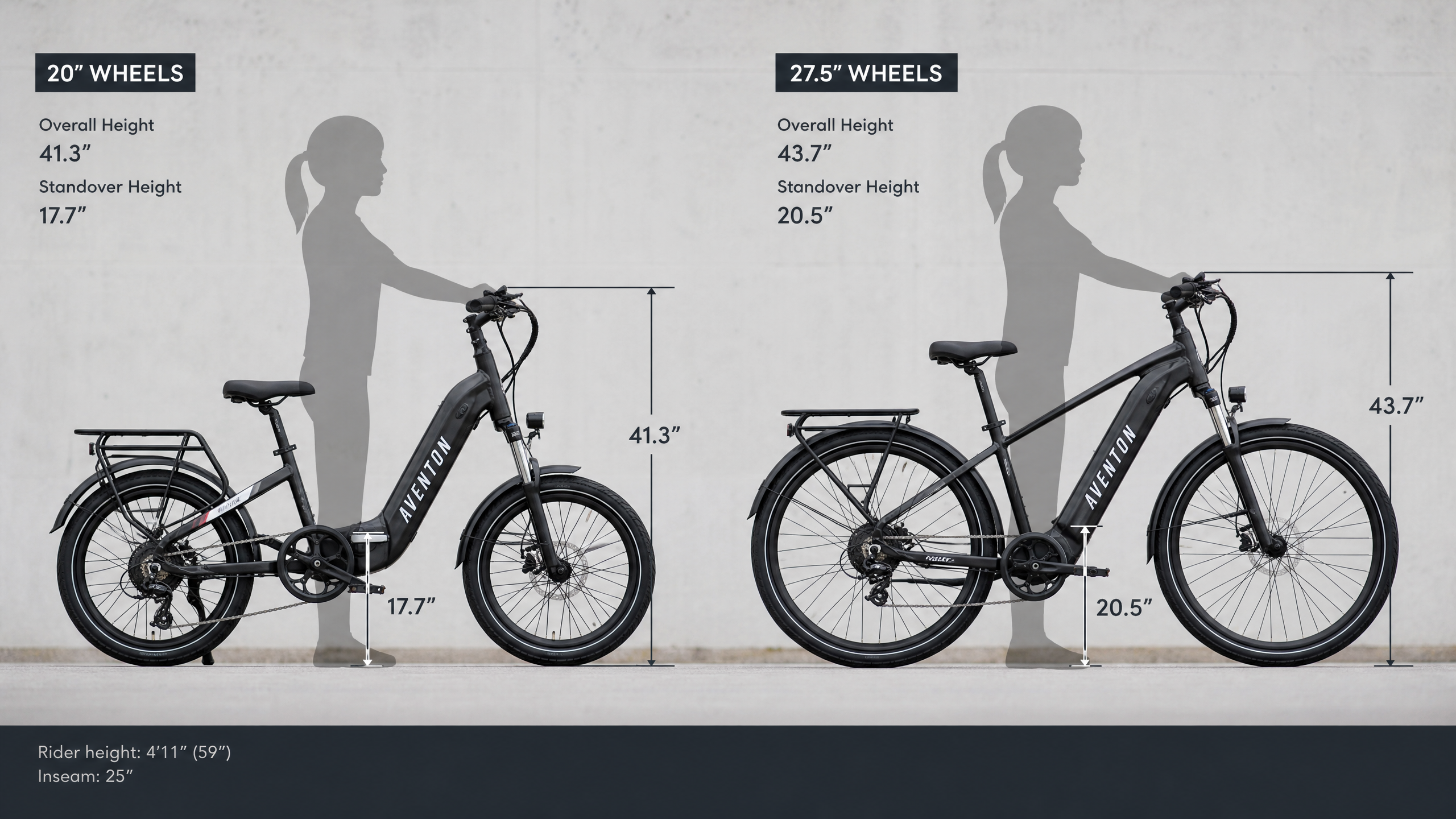
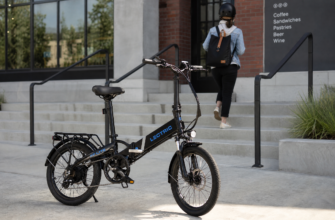
A bike with 27.5″ wheels and one with 20″ wheels can have the same listed “minimum rider height” but feel dramatically different for a short rider. Larger wheels raise the entire bike — the saddle, the handlebars, the bottom bracket. A 20″ wheel folding bike often has a 2-3″ lower effective saddle position than a 27.5″ bike, even when both claim to fit the same height range.
This is why folding e-bikes (with 20″ wheels) are often recommended for riders under 5’1″ — not because they fold, but because of the geometry that smaller wheels create. Best folding e-bikes for short riders →
What to Do About It
Don’t trust size charts alone. Measure your inseam and compare it to the bike’s actual minimum seat height. Check standover clearance. Evaluate reach during a test ride (or plan to buy a shorter stem). And always buy from brands with generous return policies — fit can’t be fully determined from spec sheets.
Start with our measurement guide: How to measure yourself for an e-bike →
Or go straight to our picks: Best e-bikes for short riders (5’0″–5’5″) →
Affiliate Disclosure: This article contains affiliate links. If you make a purchase through these links, we may earn a small commission at no extra cost to you. This helps support our work in providing independent fit guides for short riders.